E-Scooters and E-Bikes: What Parents and Young People Need to Know

E-scooters, e-bikes and other electric vehicles are becoming increasingly common, but the rules around their use can be confusing. It is important that young people and their families understand which vehicles can legally be used on public roads and where other types of electric vehicles can be ridden.
Merseyside Police has produced guidance for parents, carers and professionals to help explain the different types of electric vehicles, where they can be used and the potential consequences of using them unlawfully.
Know Where You Can Ride
The most important thing to remember is that privately owned e-scooters and e-bikes that do not meet the legal requirements for road use cannot be ridden in public spaces. They can only be used on private land where the landowner has given permission.
This means they cannot legally be ridden on roads, pavements, cycle lanes, car parks or other public spaces. The exception for e-bikes is where the vehicle meets the requirements for an Electrically Assisted Pedal Cycle (EAPC).
Why Does This Matter?
Using an electric vehicle that does not meet the relevant legal requirements can have serious consequences. E-scooters and e-bikes that do not comply with EAPC regulations are classed as motor vehicles under the Road Traffic Act 1988.
This means that, where they are legally permitted to be used on public roads, the appropriate driving licence and insurance requirements apply. A vehicle being used without the necessary licence or insurance can be seized under Section 165A of the Road Traffic Act 1988. Parents and carers should also be aware that allowing a child or young person to use an illegal e-bike or e-scooter in public could potentially result in penalty points or disqualification.
If someone is prosecuted for riding without a licence, they can receive three penalty points and a minimum £100 fine. Riding without insurance can result in six penalty points and a minimum £300 fine. There can also be further consequences where an e-scooter or e-bike is ridden under the influence of drugs or alcohol.
For someone who does not yet have a driving record, penalty points can be held by the DVLA on what is known as a 'Ghost Licence'. These points can then carry over to a future driving licence. The guidance also warns that insurance costs may increase significantly and that a person may be required to attend court.
Understanding the Different Types of Electric Vehicles
Not every electric bike or scooter is the same. Understanding the type of vehicle is important because the legal requirements can be very different.
E-Scooters
Privately owned e-scooters are not legal to use on public roads, pavements or cycle lanes.
There is an exception for e-scooters rented through a government trial scheme in a designated area. Riders using these schemes must be aged 16 or over, hold a provisional GB driving licence and must not carry passengers.
The same restrictions apply to other types of personal electric vehicles, including powered unicycles, skateboards, go-peds, Segways and hoverboards, which cannot legally be used on roads, pavements or other public spaces.
E-Bikes and EAPCs
An e-bike can be legally used on the road when it meets the requirements for an Electrically Assisted Pedal Cycle (EAPC).
A compliant EAPC does not require insurance, vehicle tax, an MOT or a driving licence and can be used wherever a standard bicycle can legally be ridden. To meet the requirements, the bike must be powered through pedals, have a motor with a maximum output of 250 watts and stop providing electric assistance once it reaches 15.5 mph. The rider must also be at least 14 years old. The manufacturer's details and the motor's power output must be displayed on the bike.
Some EAPCs also have a 'Twist and Go' or 'walk assist' function. This can allow the bike to move without pedalling at speeds of up to 3.7 mph, and the feature is permitted where the EAPC meets the relevant regulations.
Electric Motorcycles and 'Scrambler' Bikes
Some larger electric bikes may look similar to e-bikes but are actually classed as electric motorcycles. The guidance notes that a lack of pedals, together with a large motor and battery and the absence of features such as indicators or a speedometer, can be strong signs that a vehicle is an electric motorcycle.
These vehicles cannot be used legally on the road unless they meet the relevant motorcycle requirements. This includes registration with the DVLA, displaying a number plate, having the required equipment such as indicators, mirrors, lights and a speedometer, as well as being taxed, insured and MOT'd.
The rider must also have the appropriate motorcycle licence or have completed Compulsory Basic Training (CBT) and be riding under the relevant provisional licence requirements. A motorcycle helmet must also be worn.
Advice for Parents and Carers
For parents and carers, the key message is simple: make sure you know what type of electric vehicle your child is using and whether it can legally be ridden where they intend to use it.
A vehicle may look like an ordinary bicycle or scooter but still fall into a different legal category. Taking the time to understand the rules can help young people avoid fines, penalty points, vehicle seizure and other potential consequences.
We encourage parents and carers to talk to their children about the rules and make sure they understand that privately owned e-scooters and non-road-legal electric vehicles cannot simply be used on public roads, pavements or other public spaces.
Know the Rules Before You Ride
The safest approach is to check the type of vehicle, understand the legal requirements and make sure you know where it can be used before riding it.
Merseyside Police's guidance forms part of Operation Gears, which has seen thousands of illegal two-wheeled vehicles seized as part of efforts to tackle crime and antisocial behaviour, including drug supply, theft and violence.
Know the rules before you ride.
Further Information
For a quick overview of the key rules, including the different types of electric vehicles and where they can legally be used, please see the Merseyside Police E-Scooters, E-Bikes and Other Electric Vehicles guidance poster.
View the E-Scooters, E-Bikes and Other Electric Vehicles Poster
Guidance produced by Merseyside Police as part of Operation Gears.

Strong Results as Students Return to League Action
Two games, two victories, one team — a fantastic return to league action!

Everton Football College Featured by the Department for Education
How a love of football can help unlock education
.jpg_e77957cef2f7c2e1b4a065820295a9a4.jpg)
Everton Football College Featured by BBC News
A new chapter for education at Goodison Park
High School Immunisation Programme 2026/27
Information for Year 8 and Year 9 Students and Parents/Carers
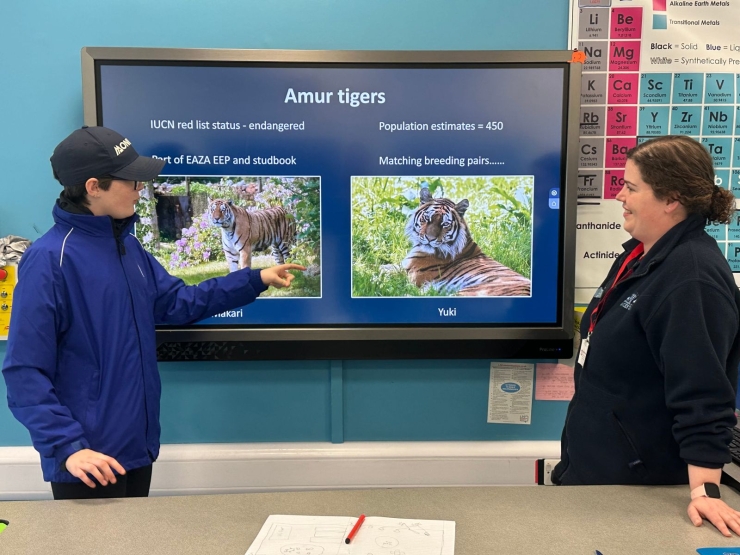
Everton Free School Students Make History with Award-Winning Biodiversity Project
Royal Society-funded environmental project transforms the school grounds, inspires young researchers, and sees students represent the school at a prestigious national event in London.
.jpeg_be920d547995f13420af773da69753ed.jpeg)
History Makers: Everton Free School Complete Historic Three-Peat
Our Year 9, 10 and 11 football team made school history by remaining unbeaten to win the Liverpool County FA Ability Counts League and Joe Burns Cup for a third consecutive season.
Summer Immunisation Support Available for Families
Access local vaccination hubs or request a home visit during the summer break to ensure your child receives the support they need.

The People’s Learning Trust Named TES Trust of the Year 2026
National recognition for a Trust transforming education and changing lives.
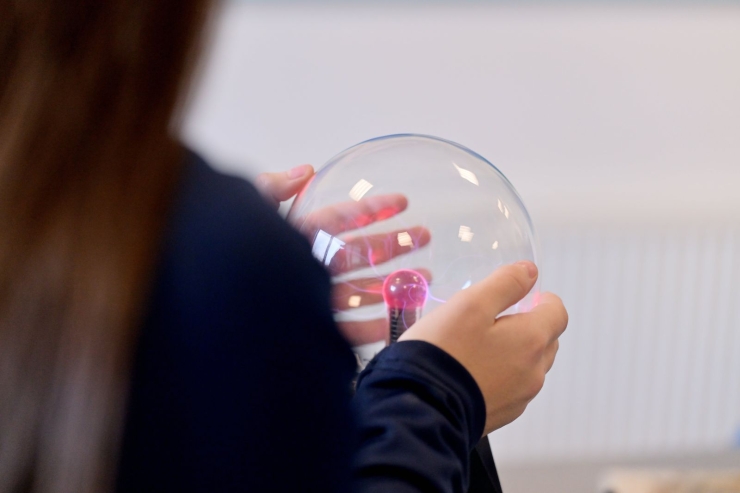
Everton Free School Engineers Crowned Winners at Peel Ports Maritime Challenge
Year 9 engineers impress industry experts and secure top honours at prestigious Peel Ports Mini Hydraulic Crane Competition.